Design, Adopt, Scale
MY ROLE
- Principal Designer (Architecture)
- Design Manager (Governance & Strategy)
SCOPE
- 6-month initial architectural build & buy-in
- Ongoing enterprise scaling and governance
OUTCOMES
- +28% speed-to-market
- -70% design inconsistencies
- -40% design review effort
TL;DR
The Challenge
The company had a fragmented brand, high engineering debt, and a 20% resource cut. Four previous attempts to build a design system had failed. Cross-departmental buy-in was also a hurdle, as every stakeholder wants their own brand expression.
The Solution
I successfully pitched, created the architecture for, and launched an enterprise design system. I now manage its ongoing governance, coordinating engineering deployment while overseeing consumption across internal teams, contractors, and external agencies.
High Debt with Few Resources
Custom, one-off designs had severely weakened our digital brand and created massive engineering debt. Following a 20% reduction in project resources, the mandate was clear: we had to increase revenue and efficiency simultaneously.
Architecture and Design
Stepping into a dual role as both Principal Architect and Design Manager, I approached the problem through systems thinking for scalability and design thinking for consumption.
I orchestrated a protective "moat" around the system during its initial 6-month development. I learned from past organizational failures that exposing an immature system too early leads to chaos. I strictly managed governance, ensuring the foundation was mature and stable before opening it up for consumption.
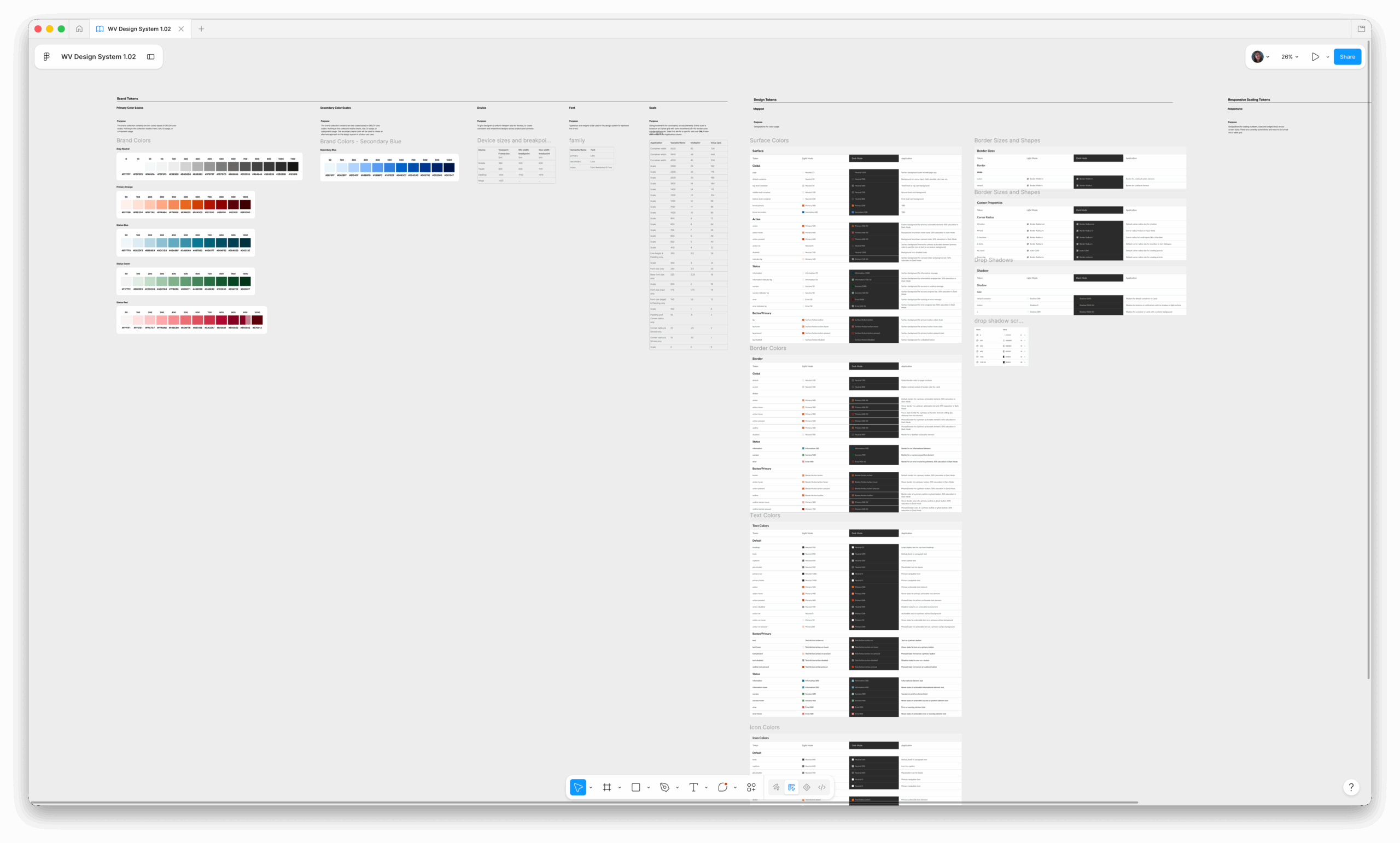
Design System tokens in Figma.
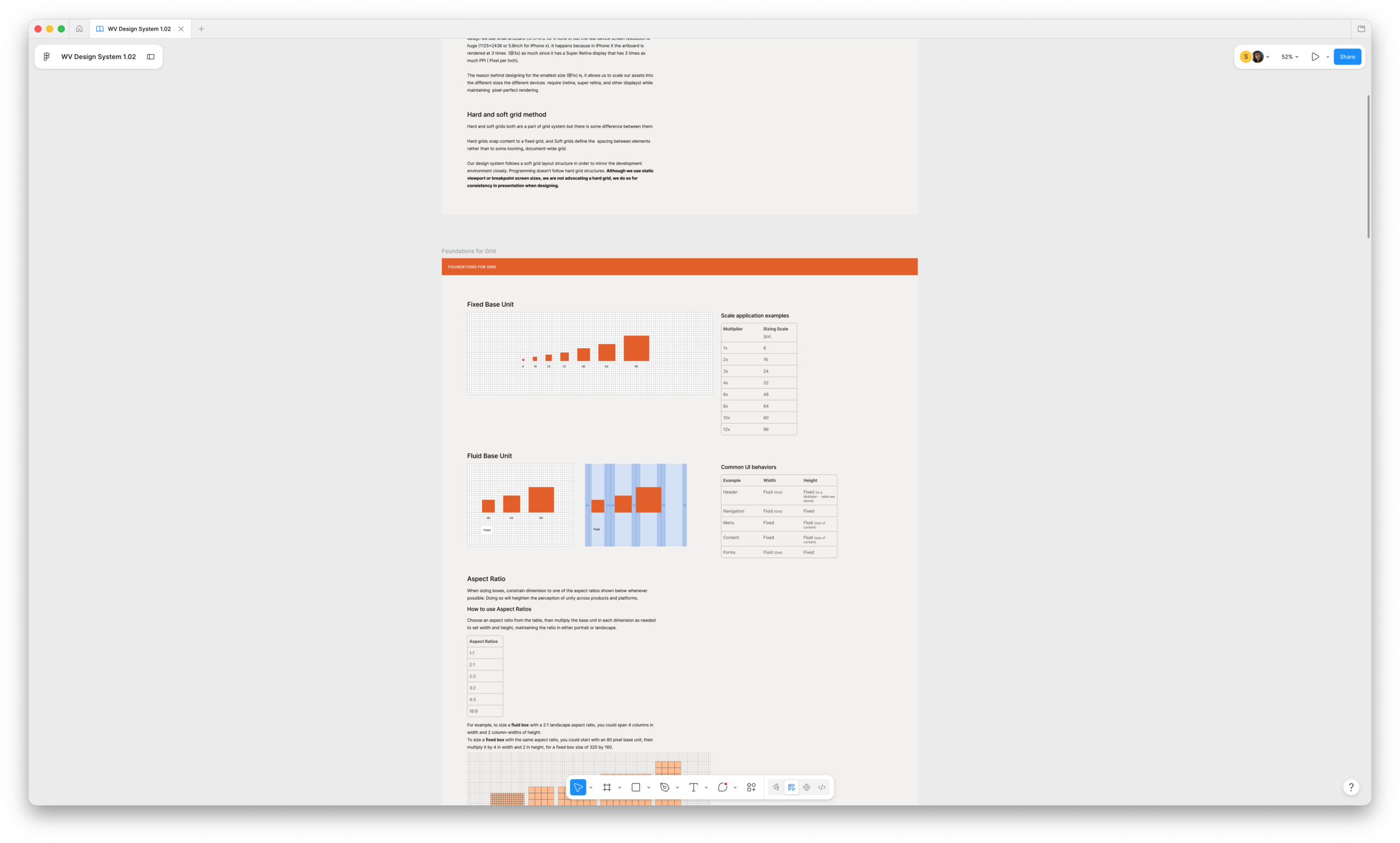
Design System grid documentation in Figma.
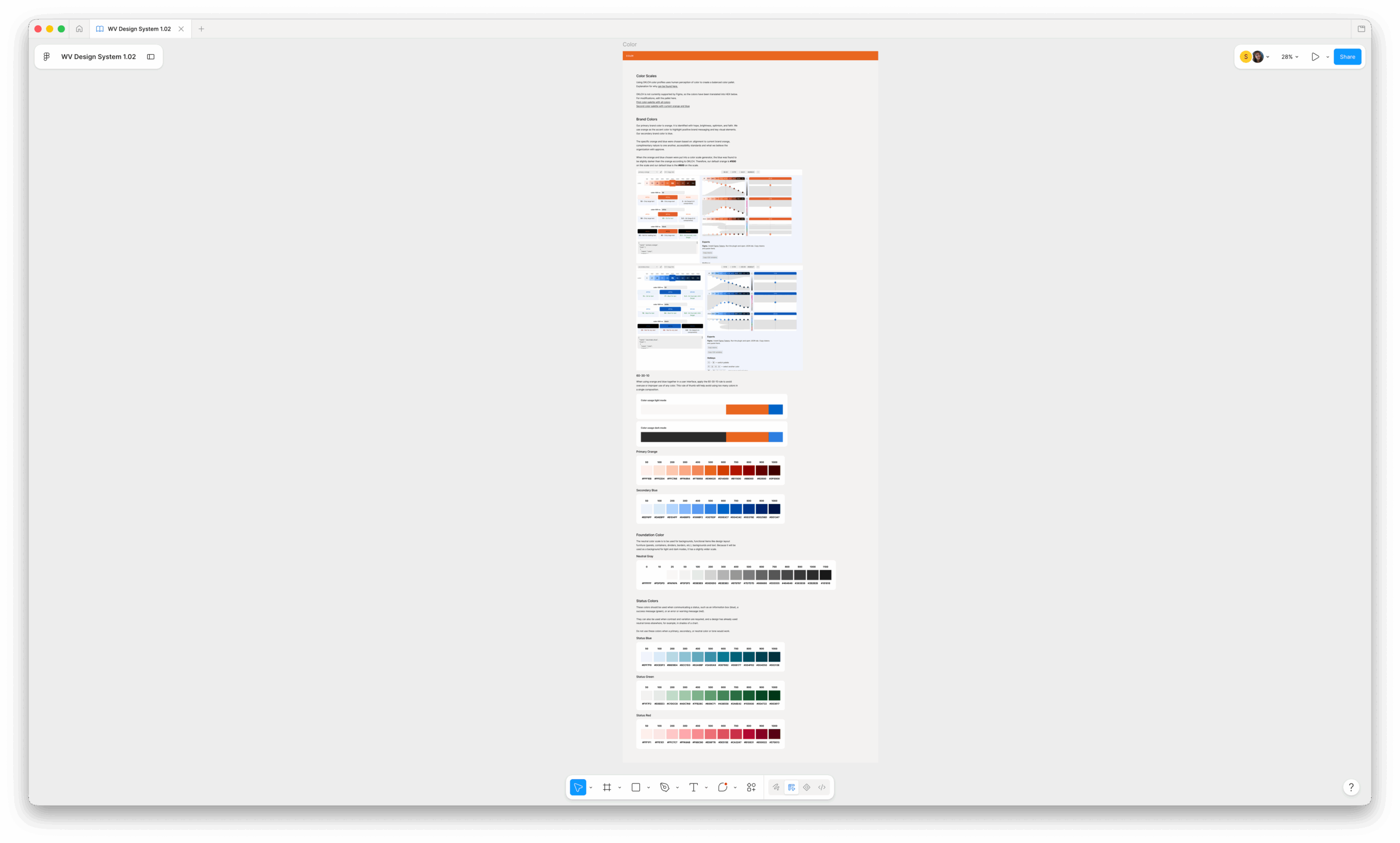
Color documentation in Figma.
Governance and Deployment
I built a demo site for the design system documentation, and layered the design system over currently scoped work in progress, to demonstrate how the design system would be applied and add operational value (speed-to-market) to the organization and reduce friction for users through inconsistent experiences.
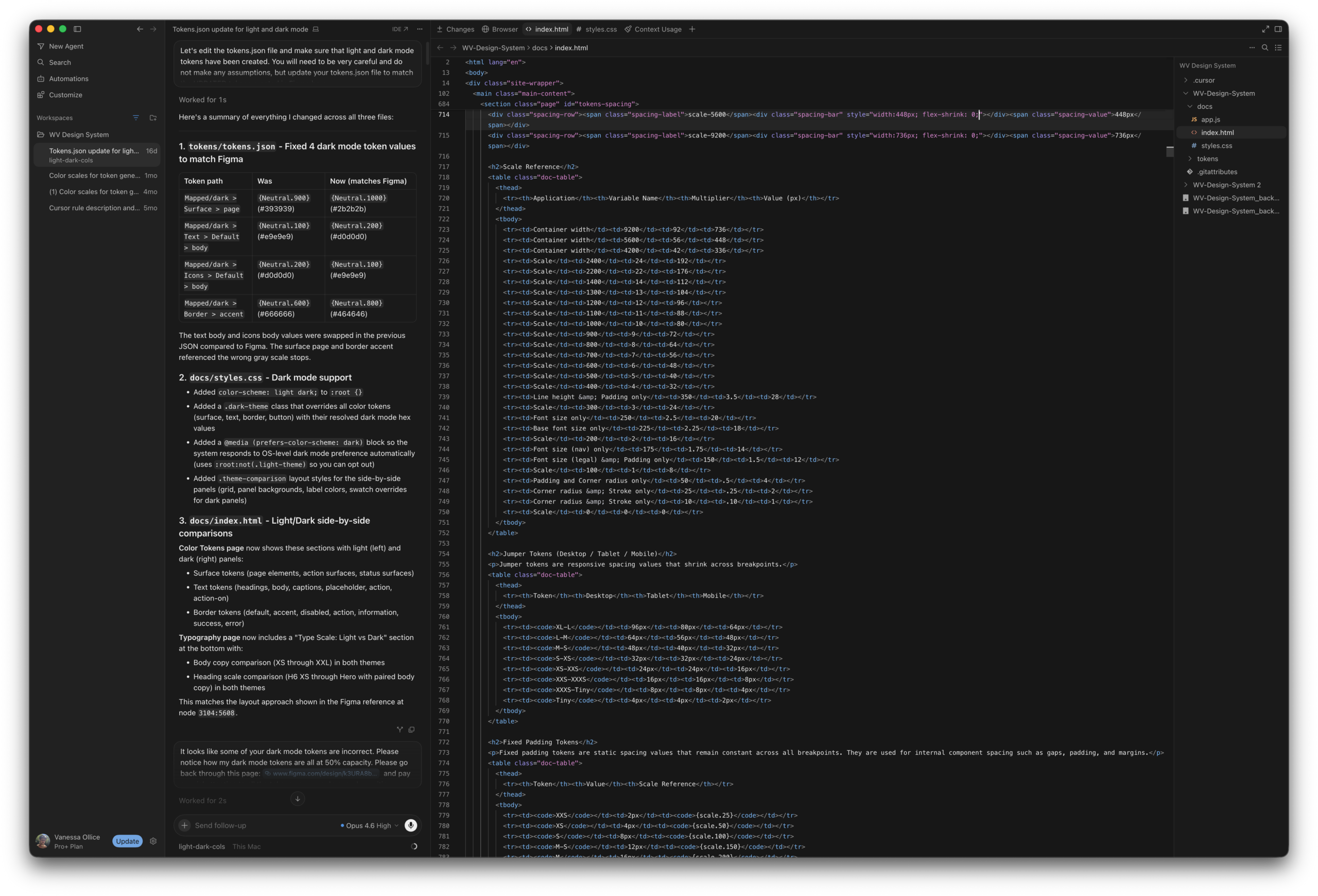
Using MCP to build a documentation site in Cursor.
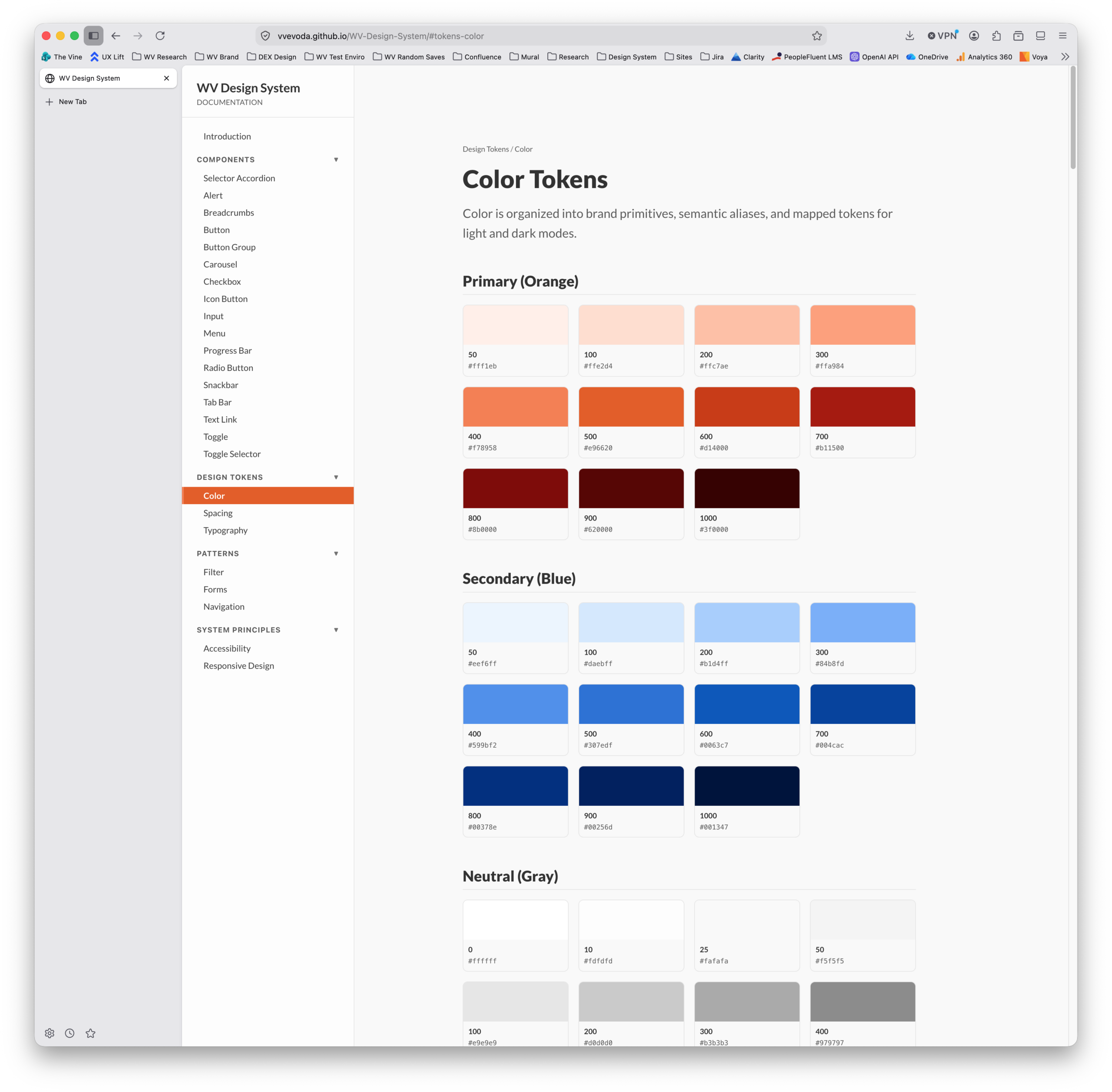
Documentation site displaying color tokens, hosted on Git Pages.
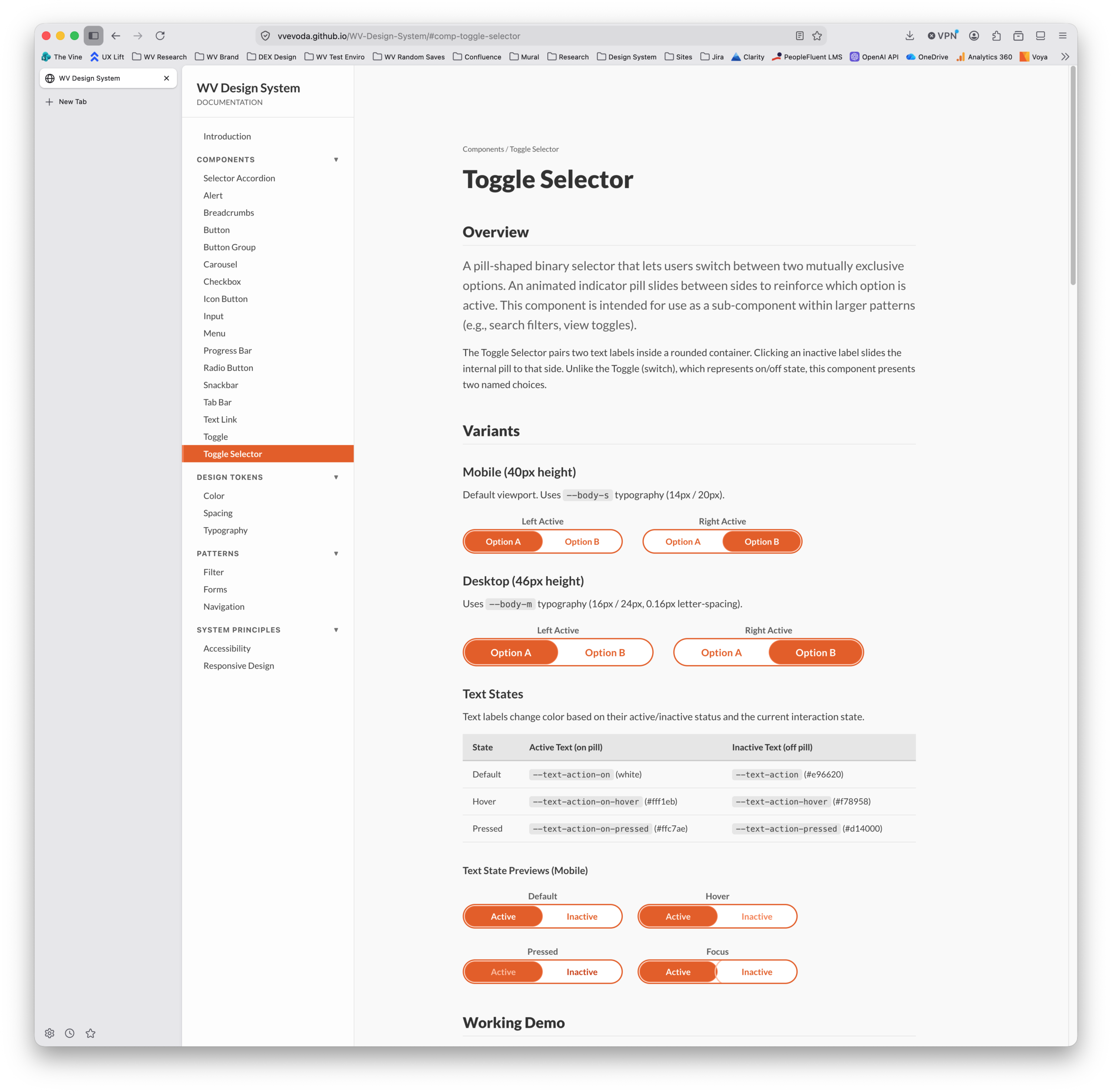
Documentation site displaying a toggle component, hosted on Git Pages.
From there, my first priority became pitching the business case to the C-Suite to secure dedicated resources, aligning the system's value directly with the company's long-term revenue and brand initiatives.
Once leadership buy-in of my design system was achieved, I partnered with the Directors of Product, Product Management, and Engineering to establish a unified vision for scaling, integration and deployment for cross-functional contributors and stakeholders. I collaborated with a dedicated team to create a workback schedule and execute against it.
By integrating myself into leadership planning meetings, I was able to identify opportunities for efficiently scaling the system across products.
Incubator Success
Our first incubator project was the Exchange App. When a donor's sponsored child graduates from the sponsorship program, the donor is encouraged to sponsor a child selected for them, or another child that they select themselves.
I identified this as a prime opportunity due to the app's need to be rebuilt in a different programing language and living in an isolated environment. The entire app would lift design tokens and components from the Git repo using AI and it was extremely successful!
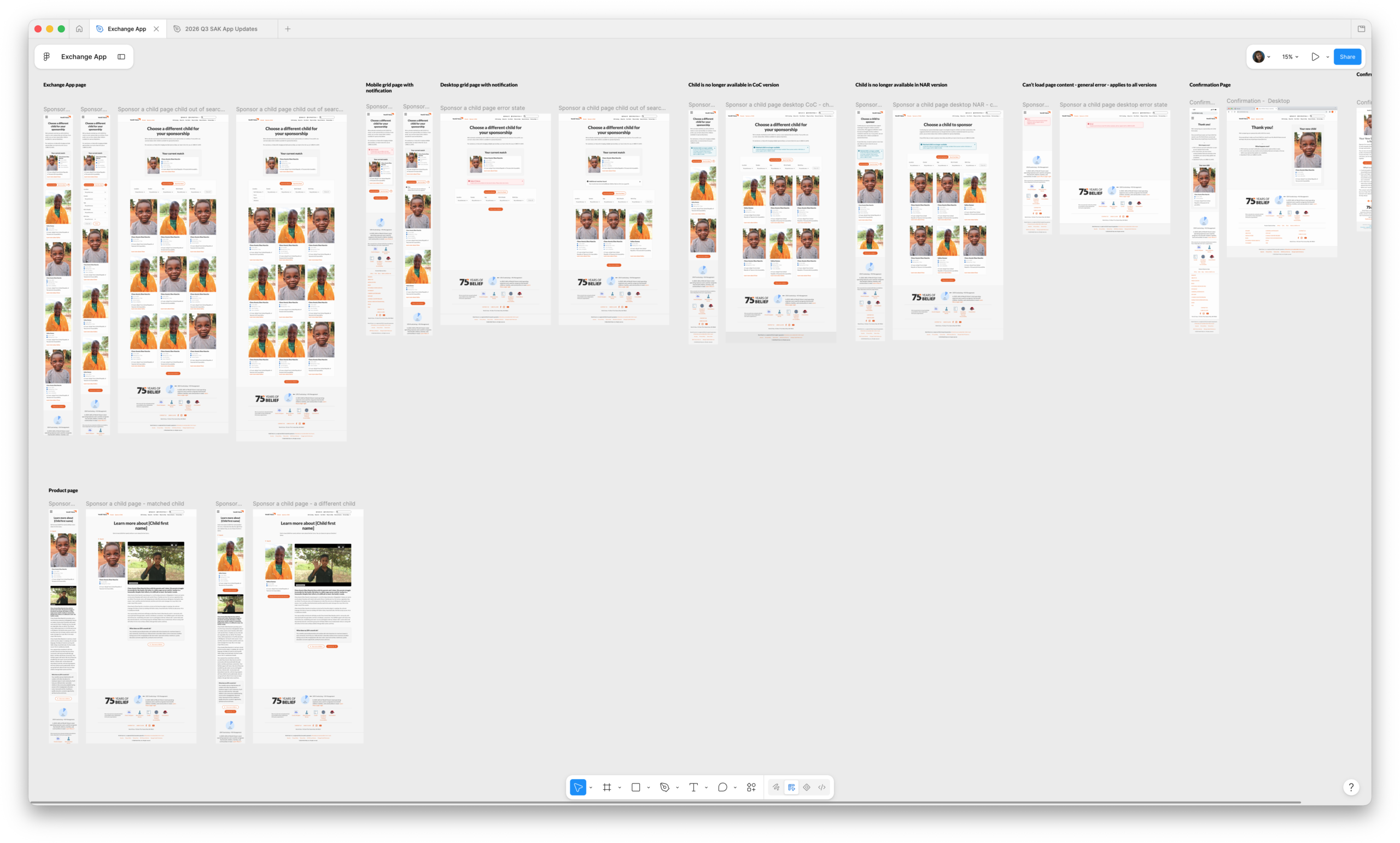
Using the Design System for the Exchange App redesign in Figma.
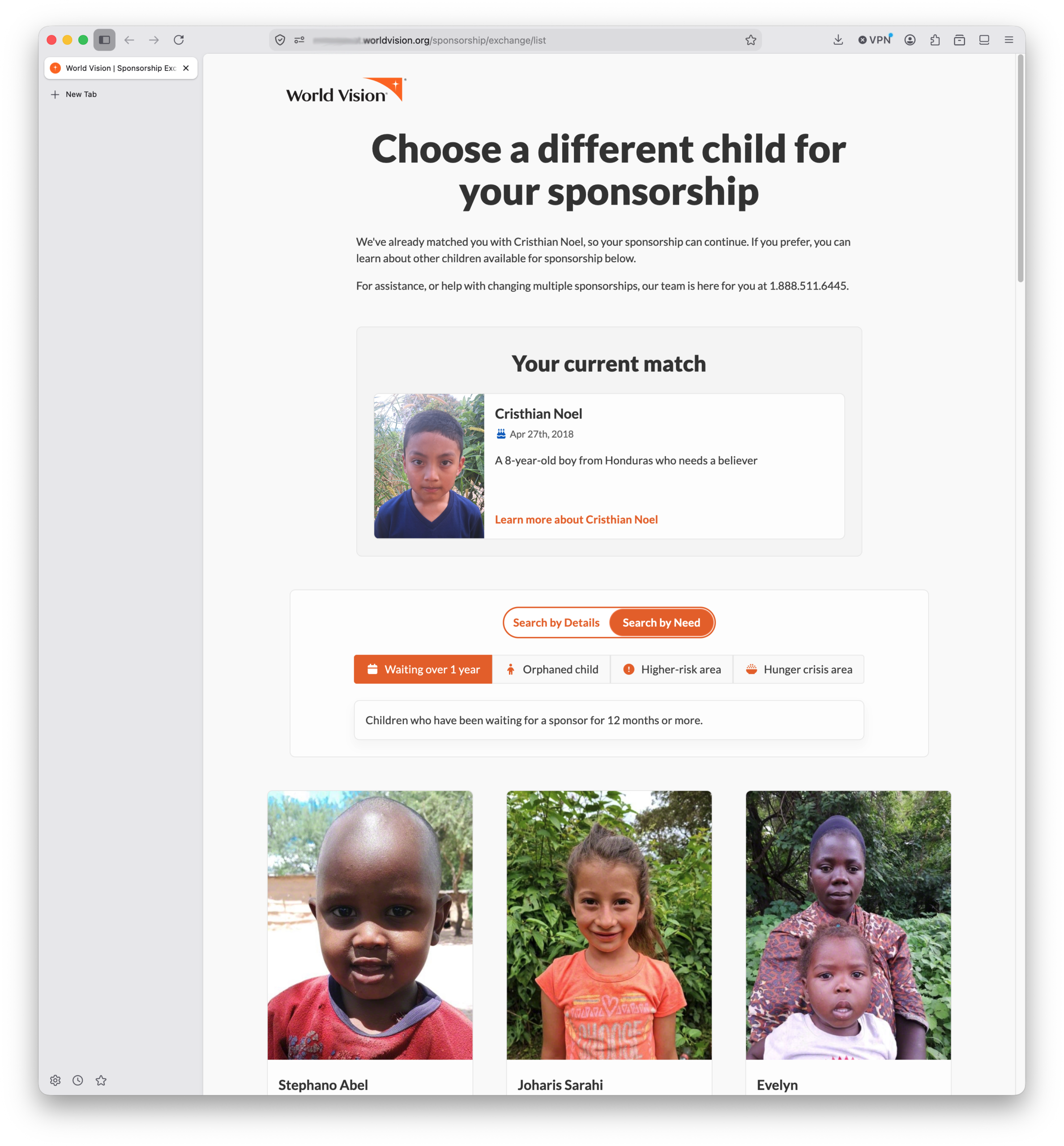
Screenshot of Exchange App live.
Once library components from the Exchange App were hardened into the Design System, I saw an opportunity to apply the system to our front of site experience in the Snapshots experience.
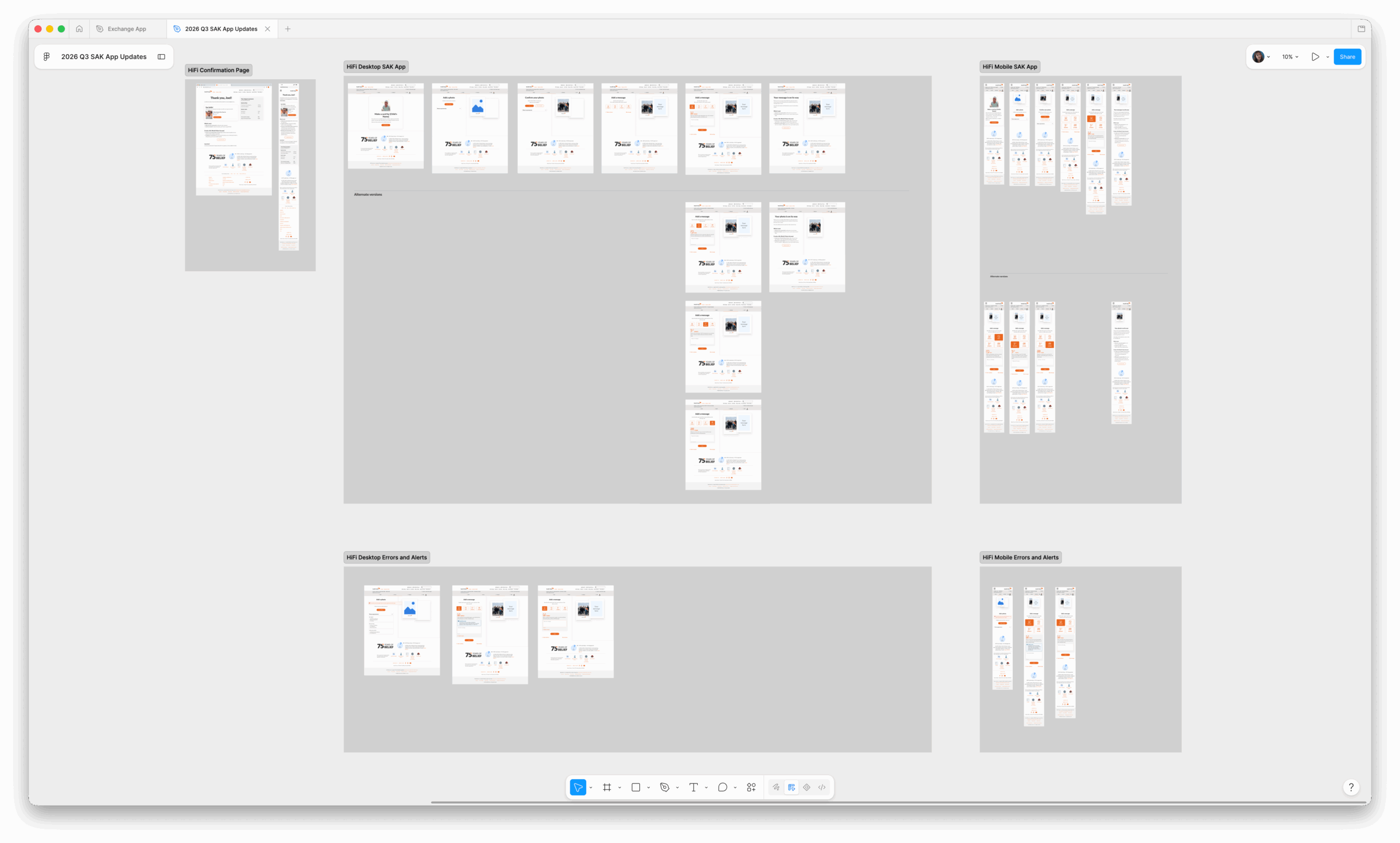
Figma designs leveraging the Design System across the FOS cart and post-purchase "Snapshots" journey.
Through the Snapshots experience, I scaled a localized pilot for testing business hypotheses into a high-impact, enterprise-wide global standard.
Achieving Operational Excellence
By standardizing deliverables and establishing rigid governance, the system fundamentally shifted how design and engineering operate across the organization:
-
Accelerated Delivery: Increased time-to-market by 28% by redesigning and standardizing core product workflows, eliminating constant rescoping.
-
Reduced Friction & Debt: Reduced design inconsistencies by 70% and cut design review effort by 40% through objective, system-driven benchmarks.
-
Upskilled Teams: Established clear consumption guardrails, ensuring junior designers operate strictly as consumers of the system rather than contributors. This eliminated the churn and stress of undefined expectations, allowing them to confidently assemble UI while adhering to standards.
-
Strategic Freedom: With objective success metrics in place and routine UI problems solved by the system, senior designers were freed from pixel-pushing to tackle high-value, complex challenges—specifically focusing on mapping the 2-to-10-year lifetime user experience.